
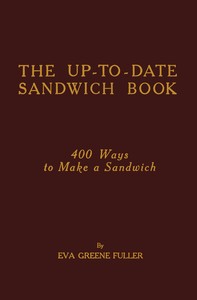
The up-to-date sandwich book : 400 ways to make a sandwich by Eva Greene Fuller
Let's be clear from the start: this isn't a novel. There's no protagonist, no villain, and the only rising action is the pile of suggested bread slices. The Up-to-Date Sandwich Book is exactly what it says on the tin—a collection of 400 sandwich recipes compiled by Eva Greene Fuller in 1909. But that simple description sells it short.
The Story
There's no traditional plot. Instead, the 'story' is a guided tour through the tastes and social customs of the early 1900s. Fuller organizes her sandwiches by occasion: afternoon tea, picnics, suppers, and even 'school lunches.' She walks you through each combination, from simple ham and mustard to elaborate multi-layered affairs with names like 'Sandwich à la Stanley.' The narrative thread is the author's firm belief in the sandwich as a cornerstone of polite society and refined entertaining.
Why You Should Read It
I picked this up as a curiosity and couldn't put it down. The magic is in the details. This book shows you a world where a sandwich was an event, not an afterthought. The ingredients lists are a history lesson—what was available, what was fashionable (so much cream cheese and pimento!). The instructions assume you have hours to prepare and a staff to help. It's charming, bewildering, and deeply insightful. You start reading for the odd recipes (Banana and Bacon, anyone?), but you stay for the vivid picture it paints of domestic life. It makes you appreciate the incredible convenience of our modern kitchens while feeling a twinge of nostalgia for that level of culinary ceremony.
Final Verdict
This book is a perfect little gem for food history nerds, vintage cookbook collectors, or anyone who loves a good slice of social history. It's not a practical guide for your kitchen today (unless you have a steady supply of sardines and fancy ribbon sandwiches for a bridge party). But if you enjoy seeing how everyday life has changed, and getting a few laughs from overly earnest instructions for spreading butter, you'll find it utterly captivating. Think of it less as a recipe book and more as a conversation with a very proper, very enthusiastic hostess from 1909.
This digital edition is based on a public domain text. Feel free to use it for personal or commercial purposes.
Margaret Miller
1 year agoThis is one of those stories where the plot twists are genuinely surprising. Thanks for sharing this review.
Jessica Thompson
9 months agoI stumbled upon this title and the pacing is just right, keeping you engaged. Exceeded all my expectations.
William Robinson
1 year agoHonestly, the character development leaves a lasting impact. Highly recommended.
Ashley Wilson
1 year agoRecommended.








Amanda Martin
1 year agoSurprisingly enough, the author's voice is distinct and makes complex topics easy to digest. One of the best books I've read this year.